

Field Notes | Dendermonde World Cup
Good day sunshine

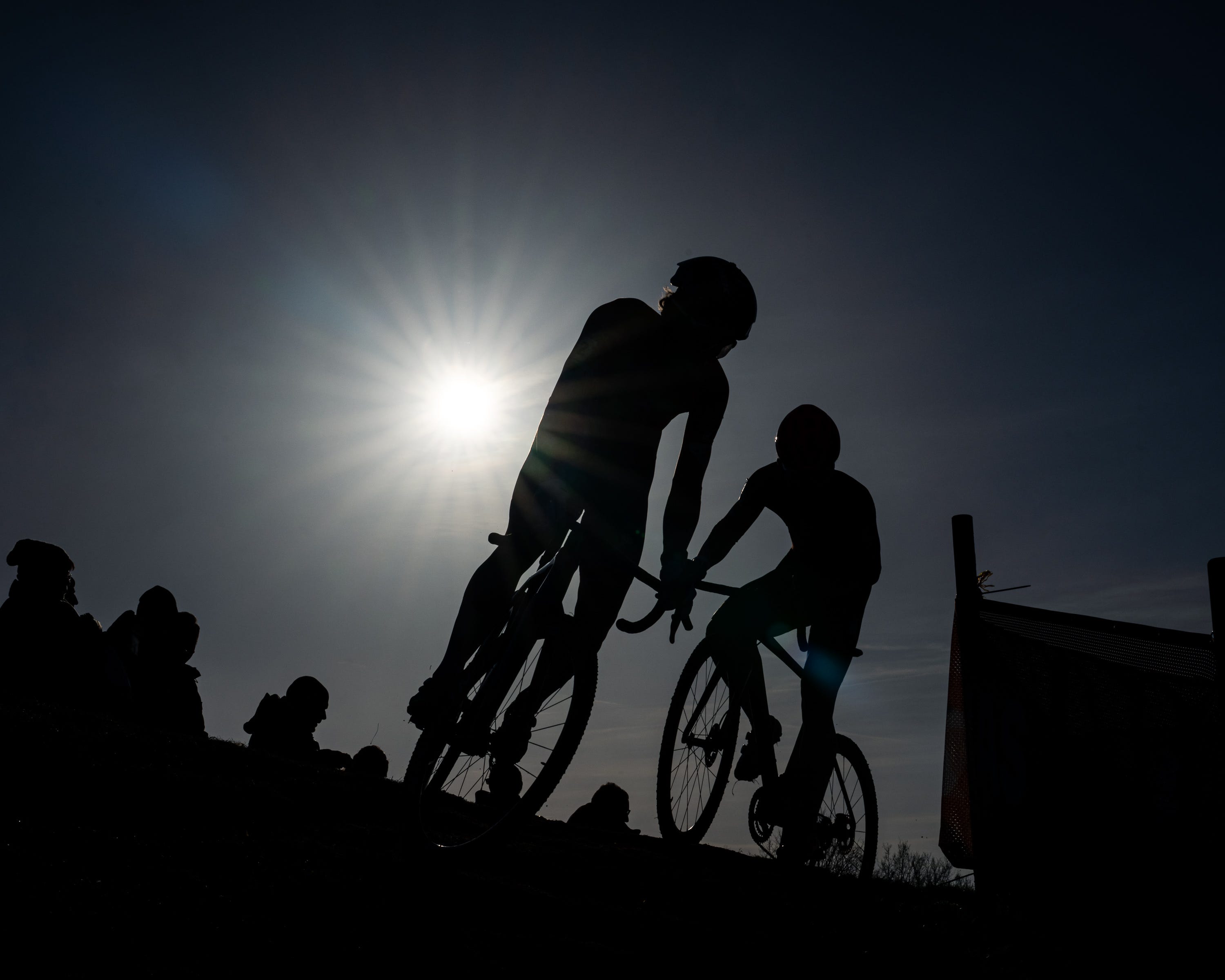
This was my first time at the Dendermonde World Cup. From afar, I have never been a fan of this race. The first edition in 2020 featured a flat, muddy field and a ridiculously huge flyover that they couldn’t use because of icy conditions. That year, Wout van Aert out-ran Mathieu van der Poel in what was more of a Tough Mudder than a cyclocross race. Five years ago, the large hill that is now the main character of this event was a smaller man-made pyramid with its top chopped off and did not feature heavily in the course design. That 2020 race is imprinted on my brain as what Dendermonde had to offer. It took me seeing it live to rewire my thinking. This is a good one.
A refrain you hear in the U.S. when people are discussing cyclocross venues often veers into some version of “the topography in Belgium is just different.” I know I’ve talked about this before, especially when discussing Ruddervoorde, but it’s worth revisiting.
Dendermonde is another excellent example of the Field of Dreams1 approach to cyclocross topography. I’m not a geomorphologist and can’t really speak to the differences between North American and European topography, but for our discussion, it’s a moot point. For races like Ruddervoorde and Dendermonde, the organizers started with a blank canvas, a Taoist’s uncarved block, if you will. A flat field full of potential. If you look at the neighboring properties to these race venues, they are pancake-flat and usually populated by some class of grazing livestock. The rolling hills at the race venue were not the result of a prehistoric rogue glacier. The organizers were not wandering the countryside one day only to exclaim, “Huzzah, we have found it! Here, on this perfectly formed piece of land, which needs no improvements, we will race cyclocross.”
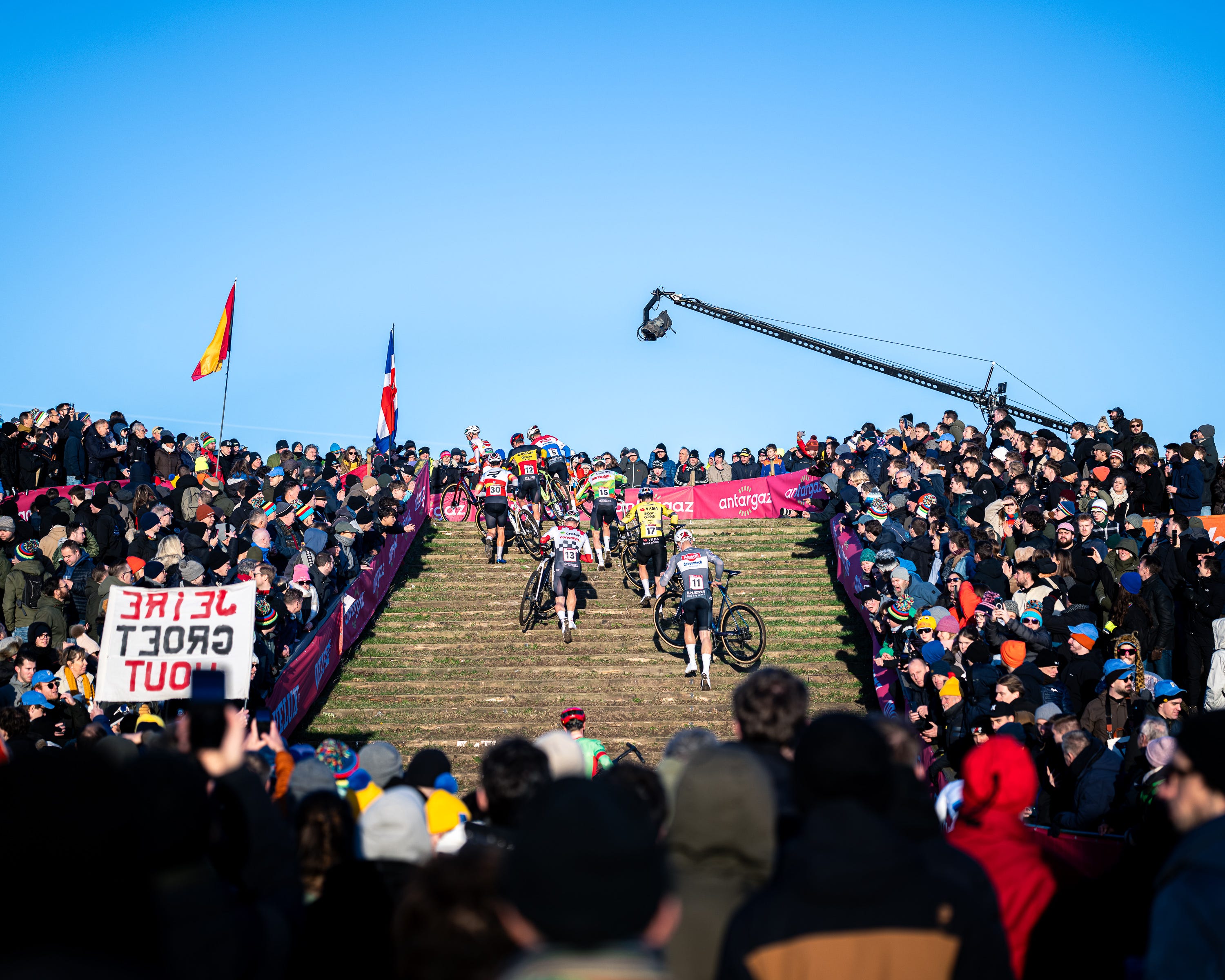
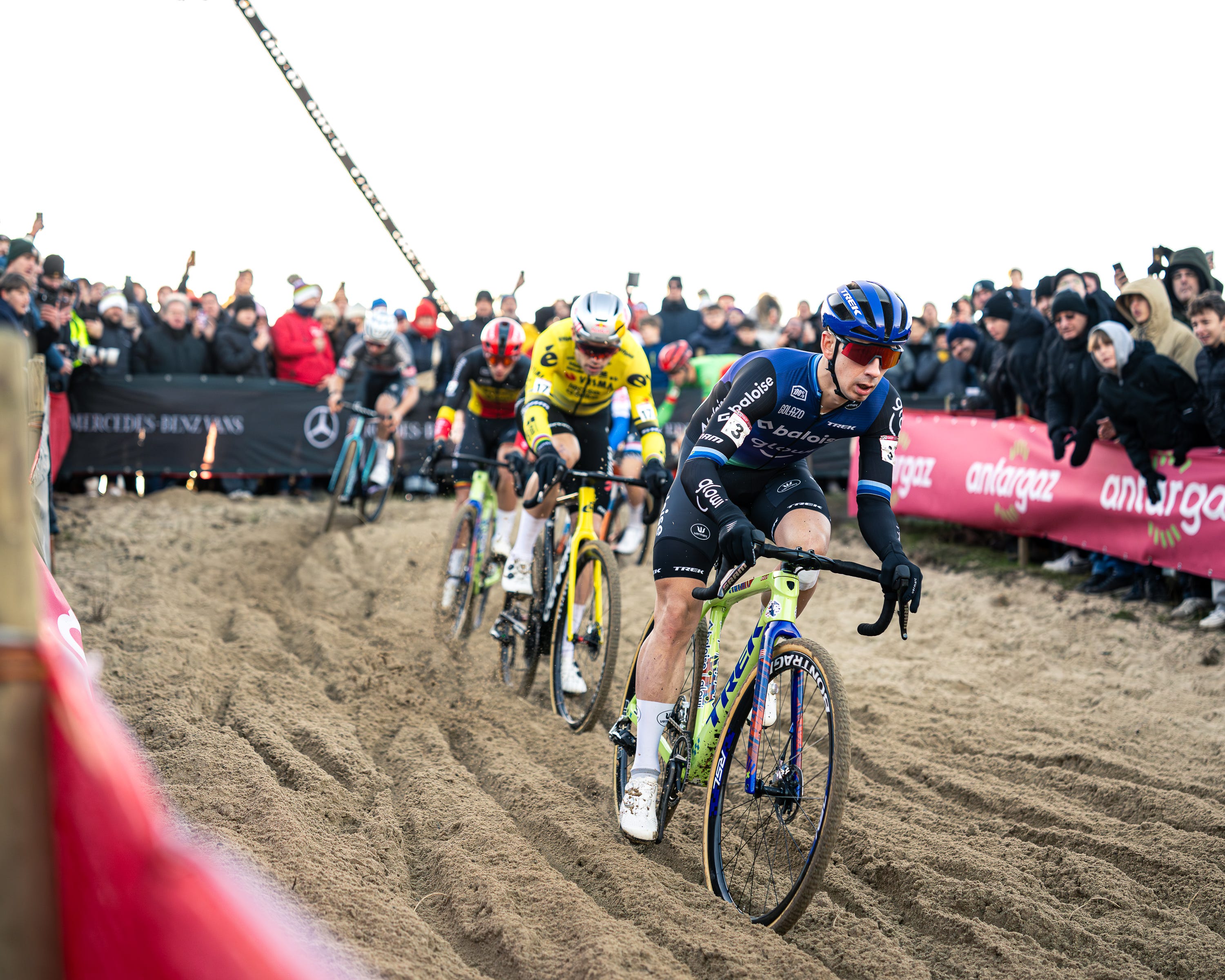
Instead, the organizers have used the magic of heavy machinery and enviable construction budgets to create a cyclocross playground. The stairs built into the front of the hill, the sand section on the back of the same hill, the tricky descents on the sides of the hill, the washboard section that’s really just three large mounds, and the compost pile at the start of the race were all constructed by humans. The race organizers did not find the perfect venue; they built it, and we came to watch and race.
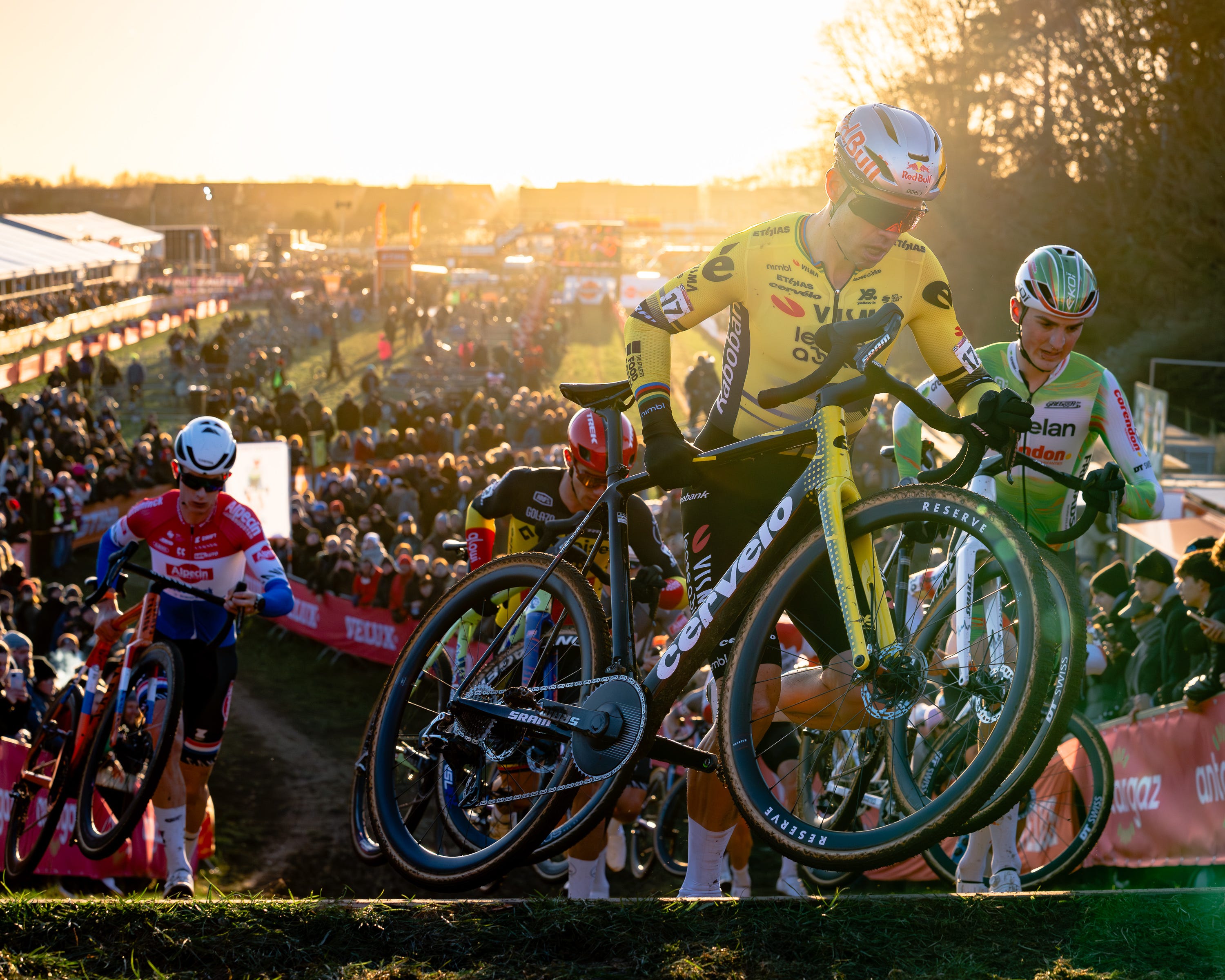
Dendermonde is known for its mud. That first year I mentioned above, as well as last year’s edition, were classic mud races. But you can’t always guarantee the weather on race day, so it was good to see how Dendermonde held up in the sun. From where I was, it did pretty darn well.
I’m now seeing some online criticism that, without the mud, this was a “grass crit.” I find that type of reply-guy sentiment silly. Just because a race is fast and the laps are short doesn’t mean it’s a criterium. It’s more similar to short-track cross-country mountain biking than to a criterium. But even that doesn’t really do cyclocross racing justice. This course is challenging even if it isn’t muddy. And with the dry conditions, we also had the opportunity for some exciting group racing.
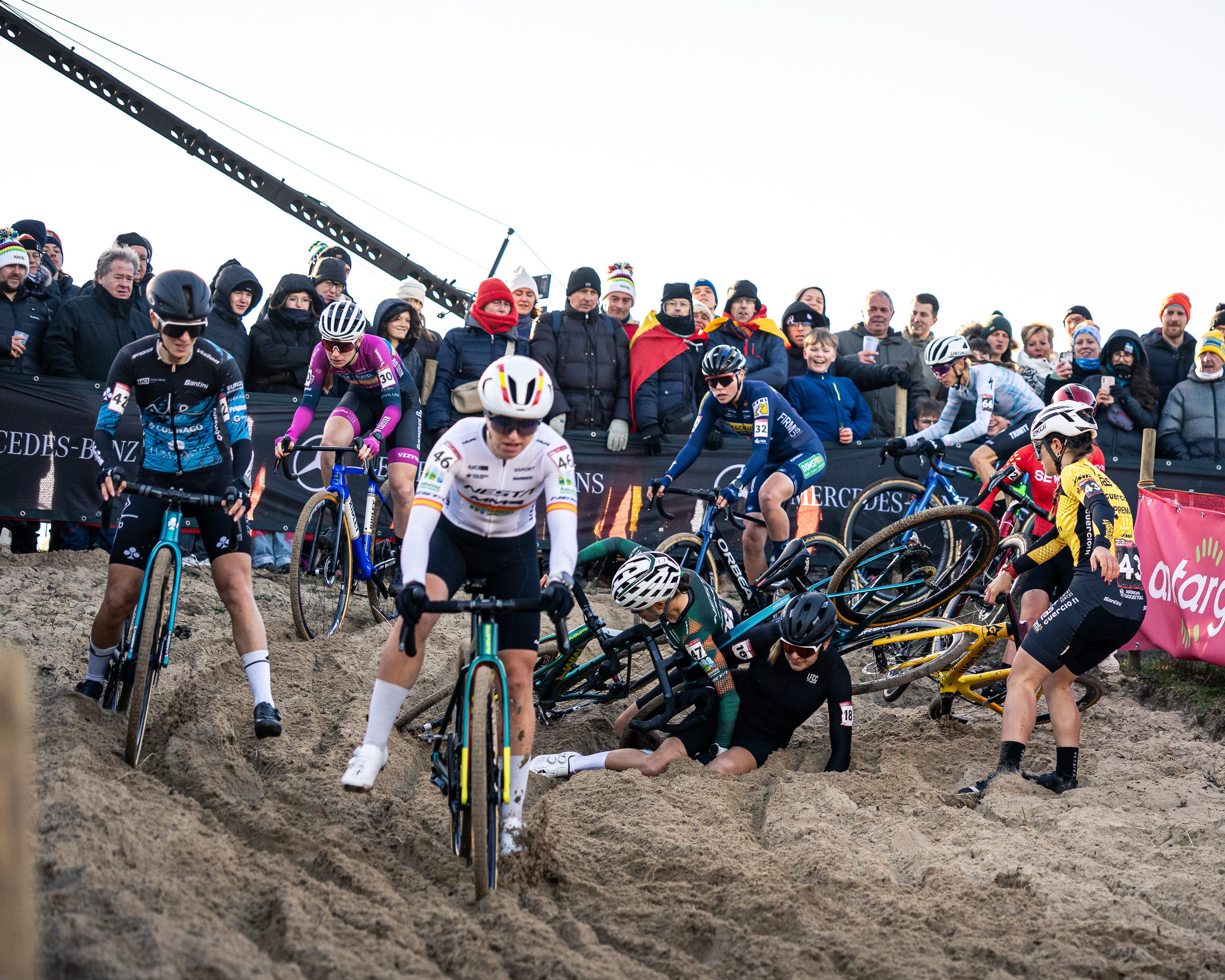
We got that group racing in the men’s race, which Thibau Nys played to perfection. With his victory, he closed the gap to three points behind Laurens Sweeck in the World Cup overall.
For the women, Lucinda Brand is not following conventional wisdom about how a race should play out. She just goes. And wins. Twelve times in a row, including today’s Azencross victory. With four races left in the World Cup series, she has a 72-point lead over Aniek van Alphen.
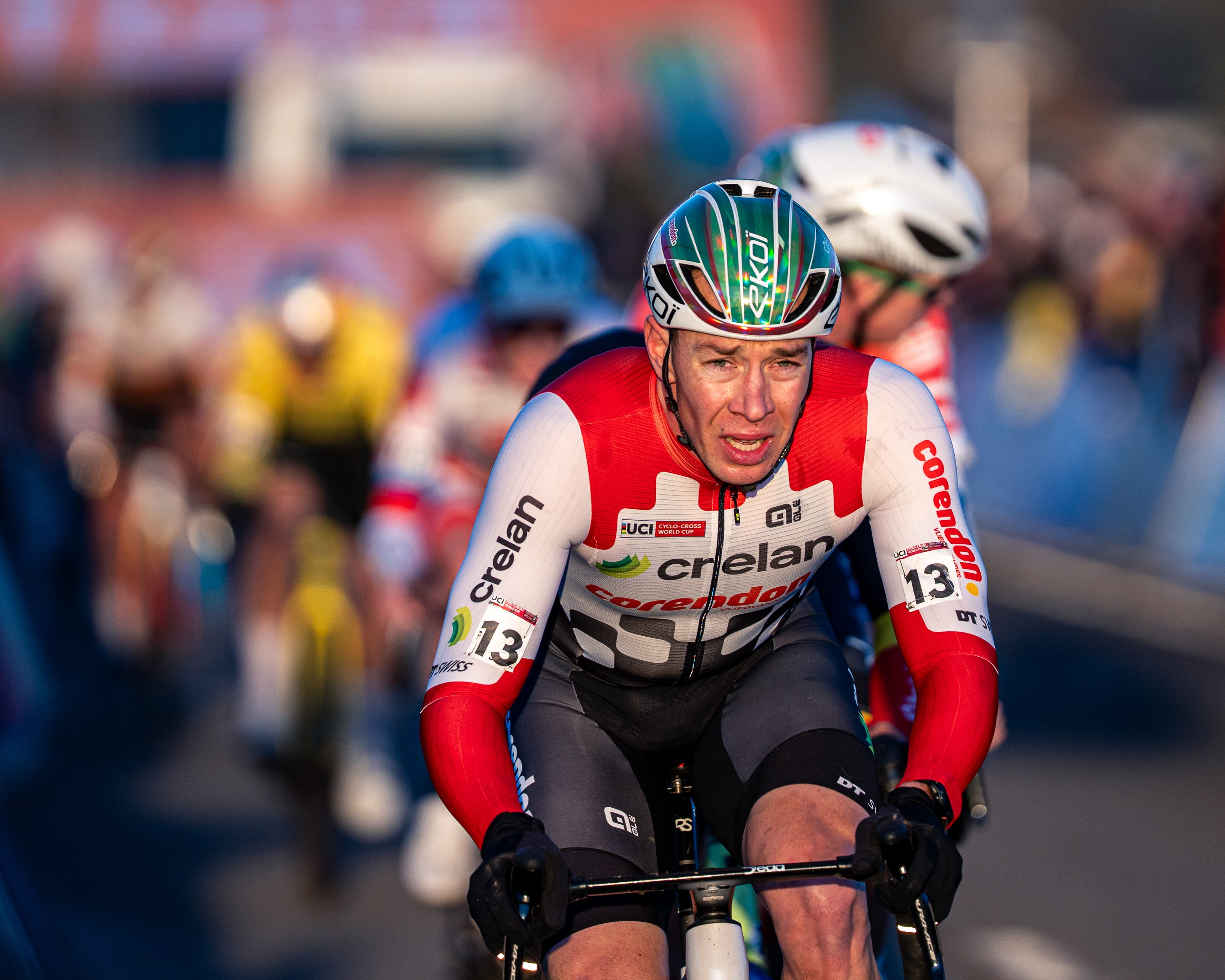
For spectators, Dendermonde is a great venue. You can easily walk to different spots or just head to the top of the hill and see several sections of the track. I’m assuming it’s a fun one for mechanics, too, especially on a day like yesterday, when the workload is a little less than during a mudder. The pit is in the middle of the action with a great view of the hill and surrounded by spectators.
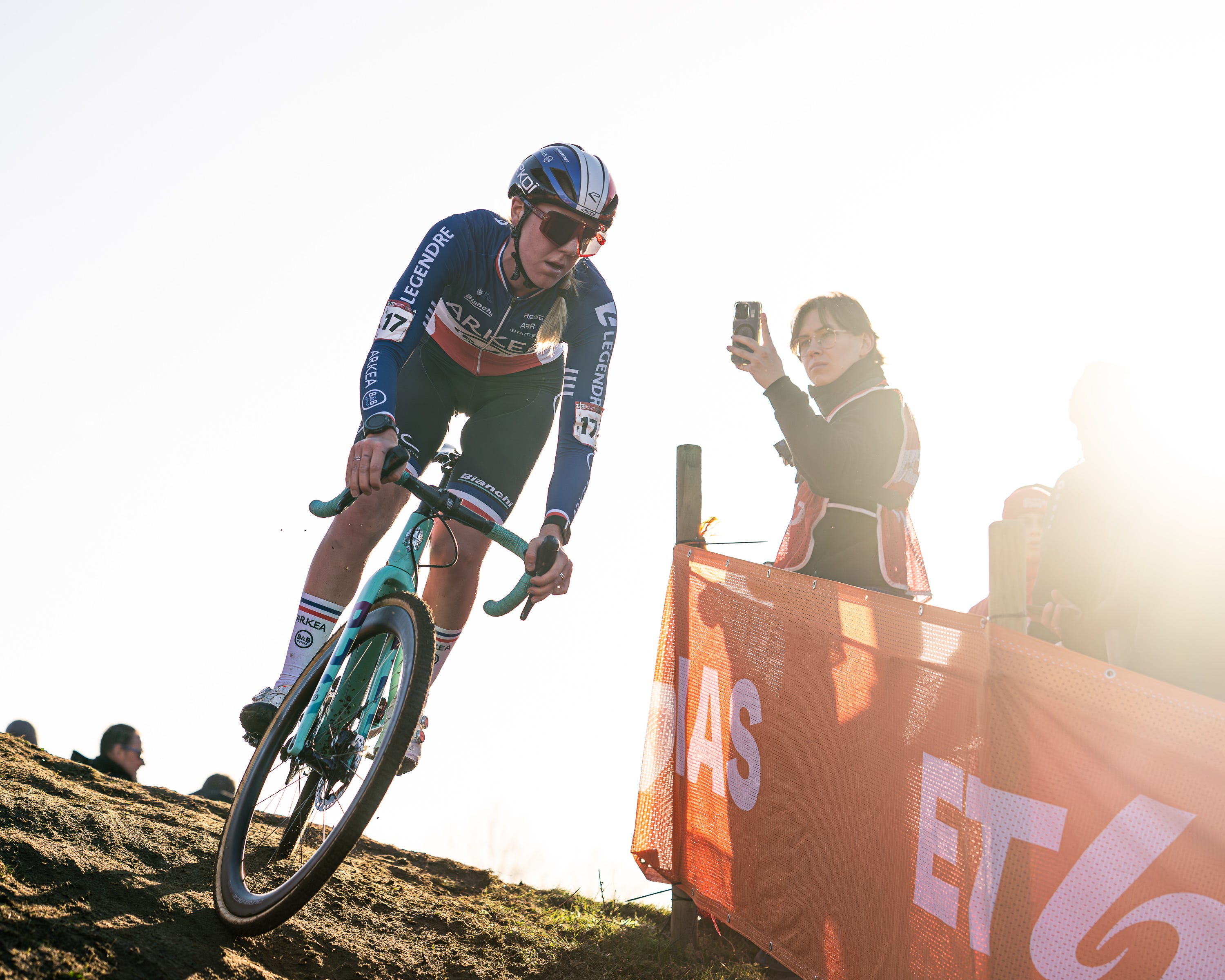
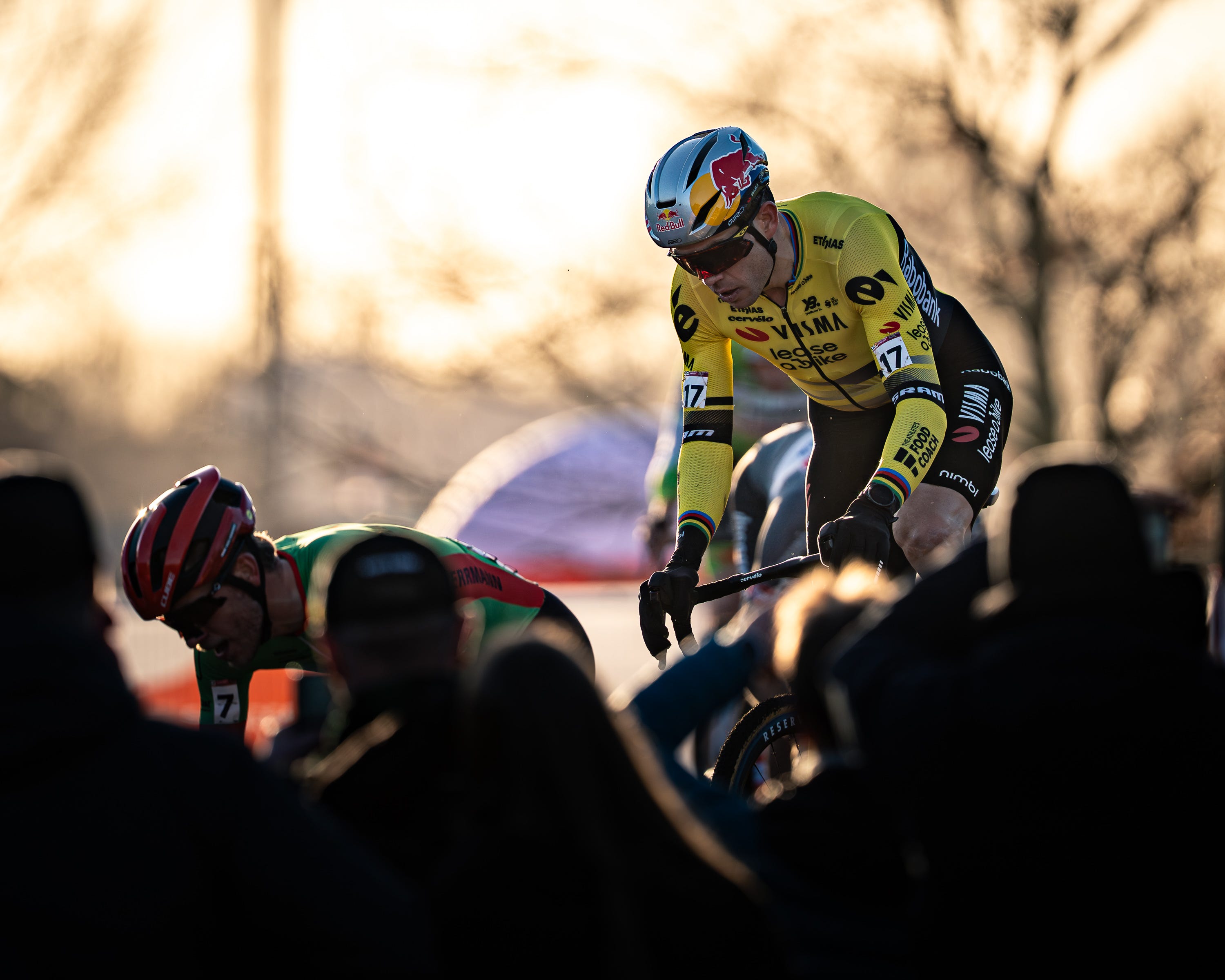
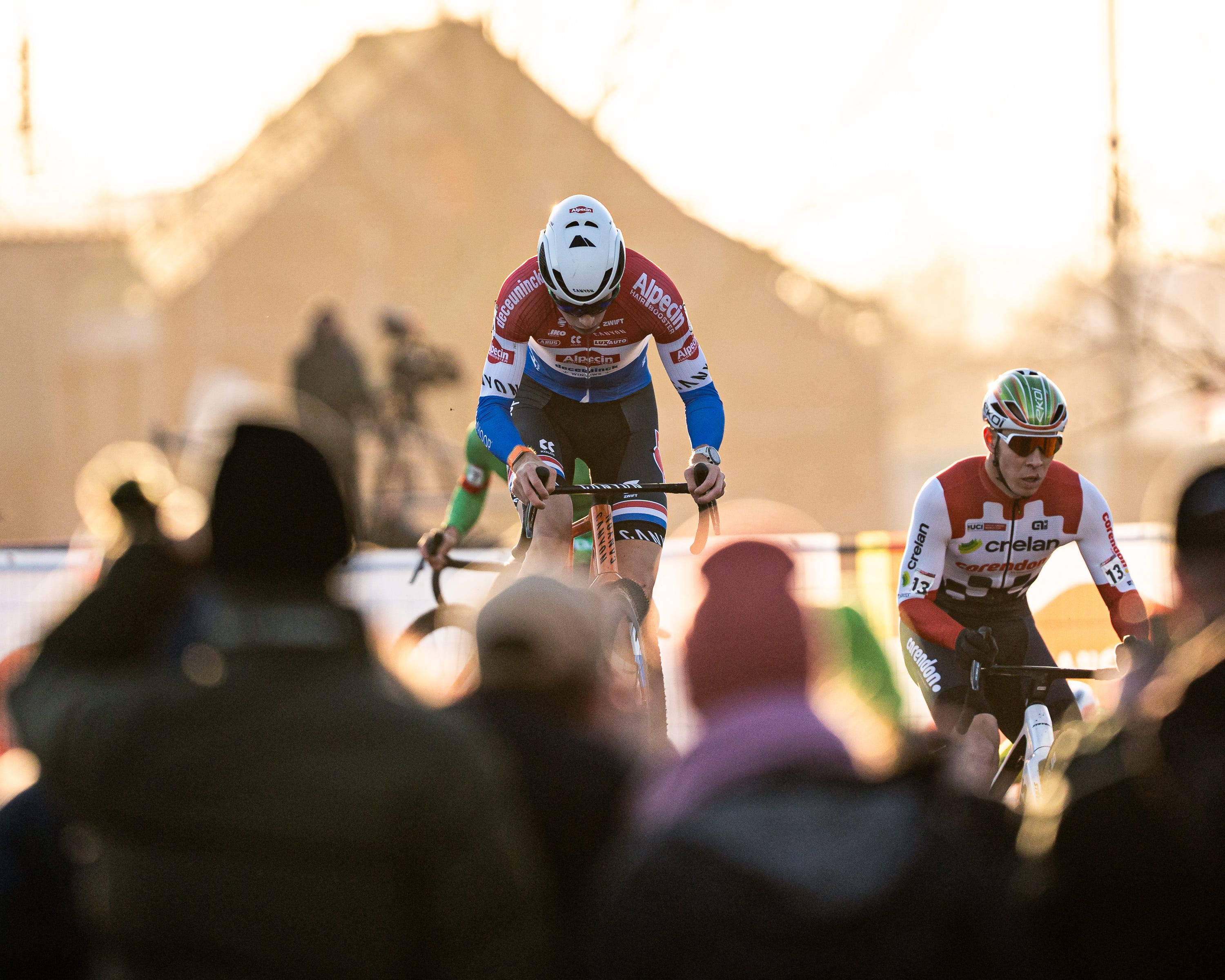
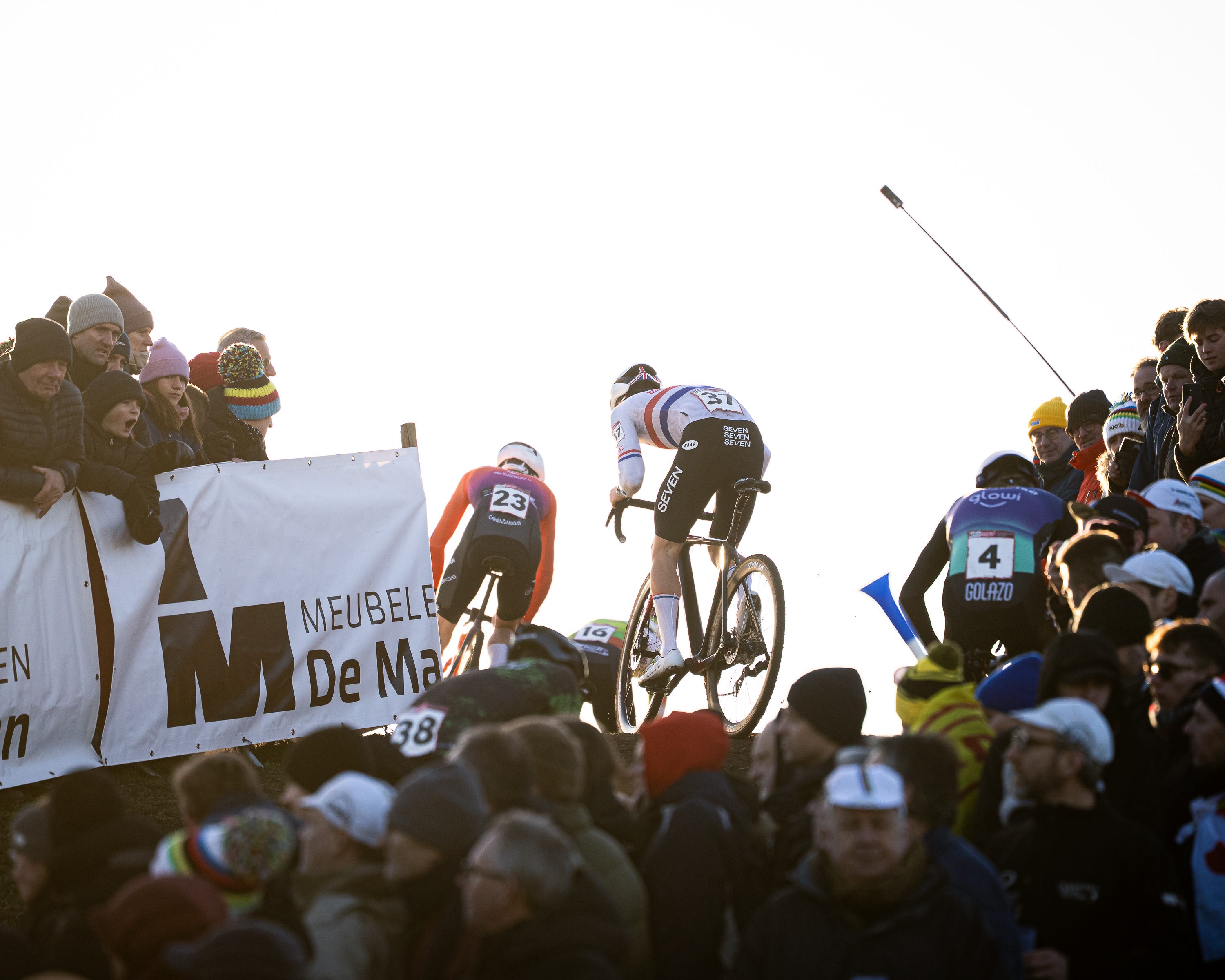
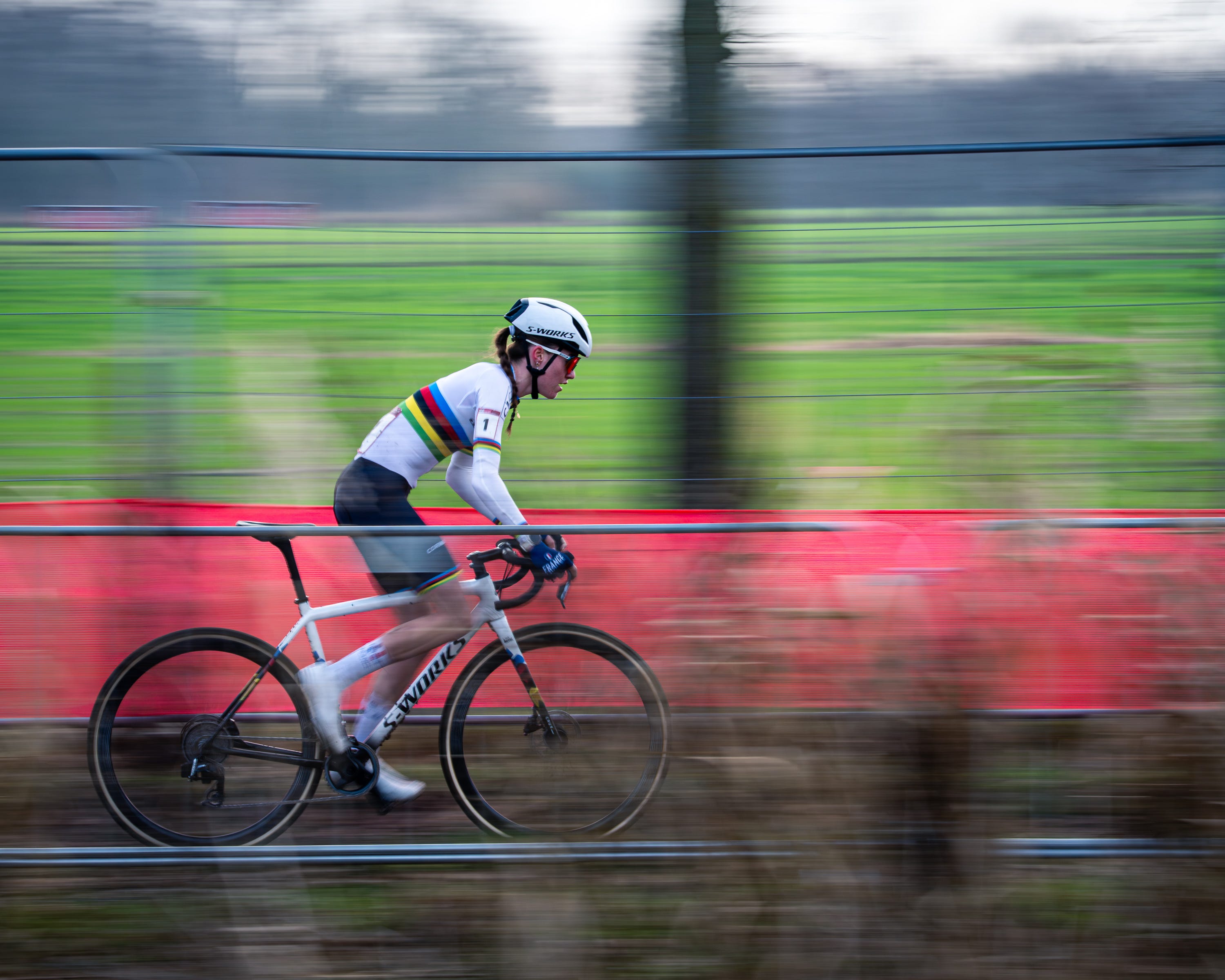
Finally, the late winter sun in Belgium is unmatched for ideal photography conditions. I just wanted to play all day with different shots. The layout, with the crowd on the hillside, offers many opportunities to involve spectators in your images, in different ways than just having them leaning over barriers, as is often the case at many races.
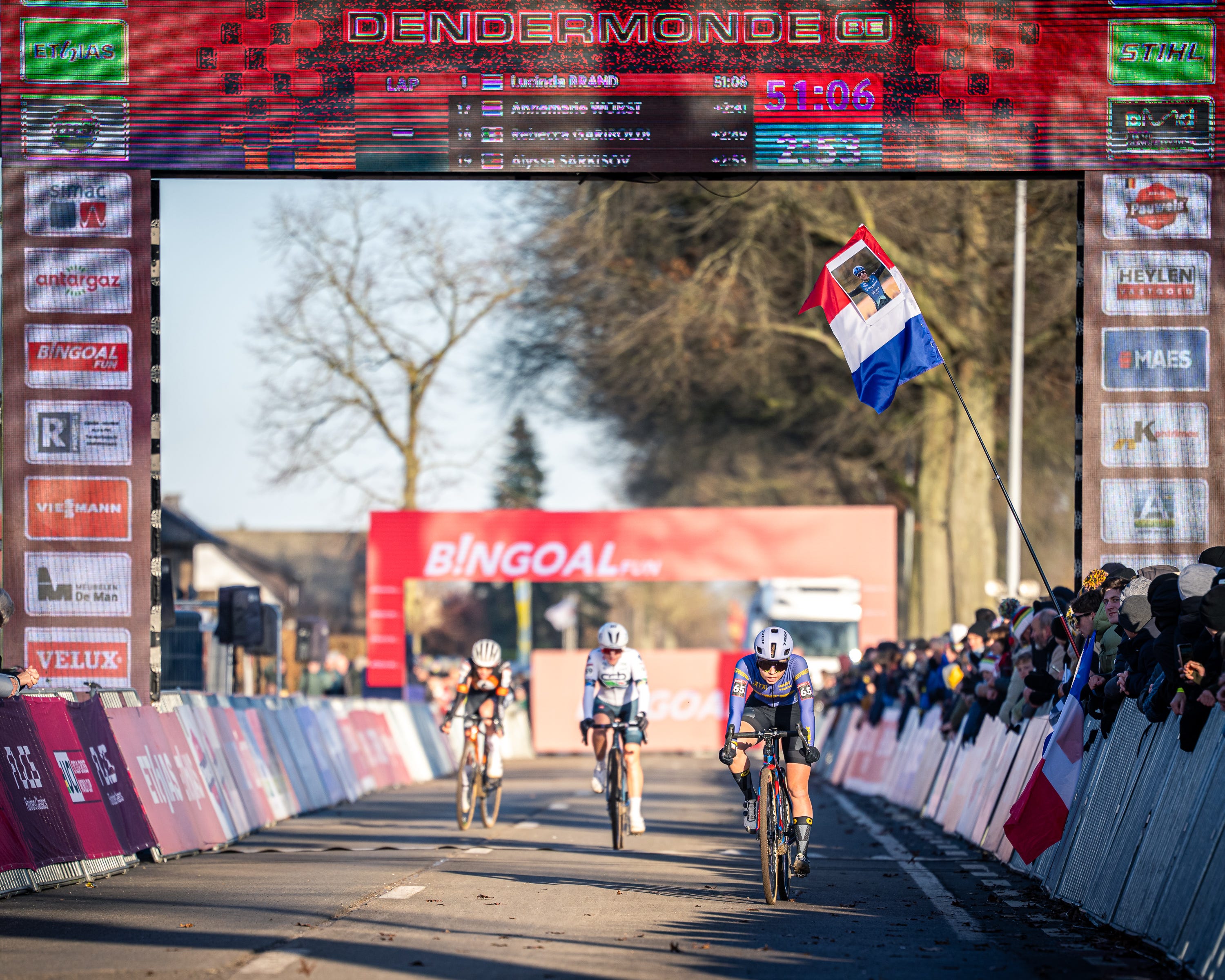
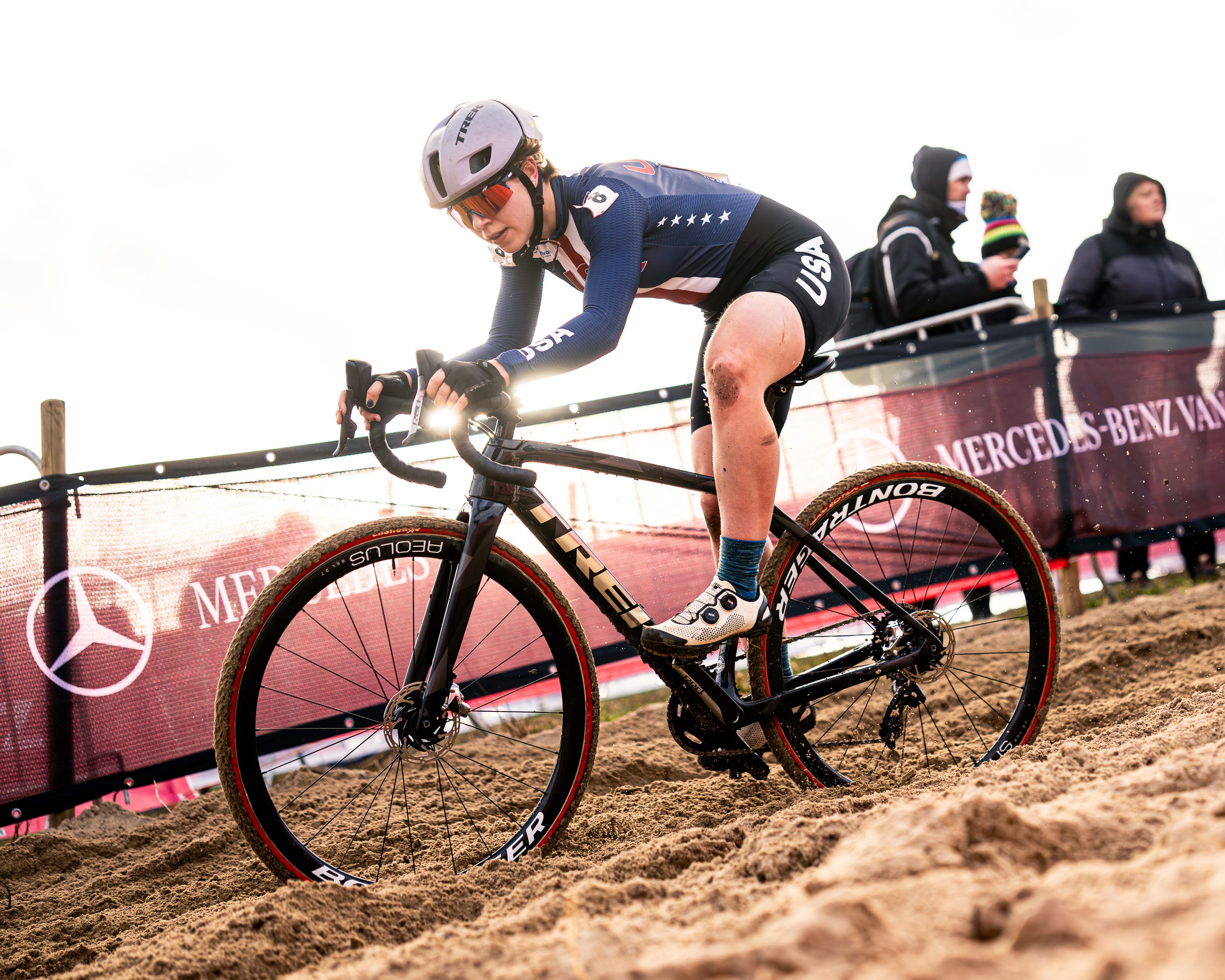
Diegem tomorrow night. Talk more then.
Watching this Field of Dreams clip may be the first Mandela effect example that hits home. I, too, swear the quote was “build it, and they will come,” not “build it, and he will come.” In retrospect, “he” makes much more sense in light of the movie’s plot.
Fascinating how they create the topography they want, really appreciate the insight!
I spent my formative racing years in the 1990s and early 2000s racing 2-hour Pro 1/2 Superweek crits in Wisconsin. I love criterium racing, deeply. And there's maybe nothing that I hate hearing/reading more than "it's just a dirt crit." (Well, maybe also when someone says, "finally, TRUE cyclocross weather.") There are some interesting similarities between crit and CX racing, but their courses is not one of them.